Publications

Integrated Water Cycle Management at Heritage Mews in Western Sydney

Integrated Water Cycle Management at Heritage Mews in Western Sydney

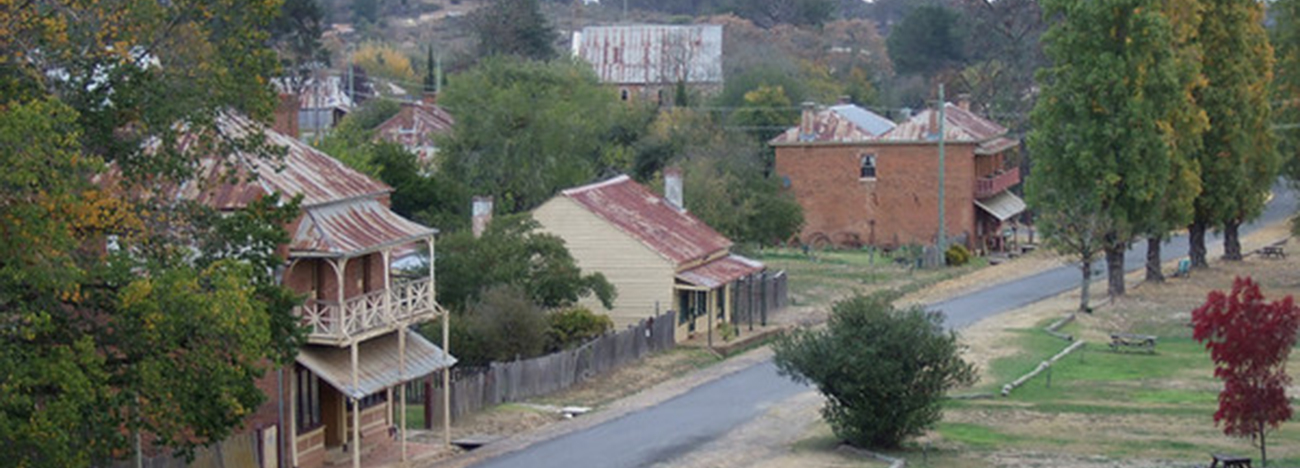
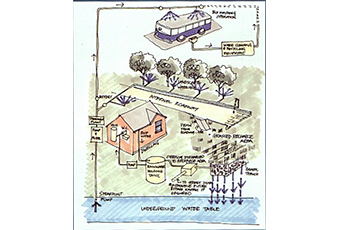
The “Heritage Mews” urban development is an integrated water cycle management project that applies a regime-in-balance stormwater management strategy which requires runoff volume from a developed site to be equal to the discharge from the site prior to development in the adopted critical design storm. Retention and infiltration technology, the first option of choice, was impractical at “Heritage Mews” because of the impermeable nature of its surface geology.

Stormwater Policy Insights From Systems Analysis Using Big Data

Stormwater Policy Insights From Systems Analysis Using Big Data

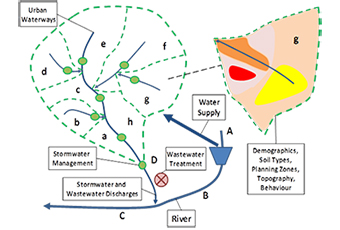
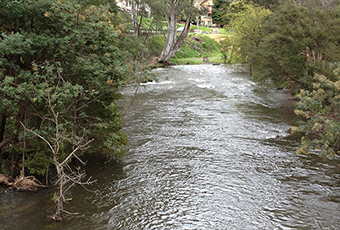
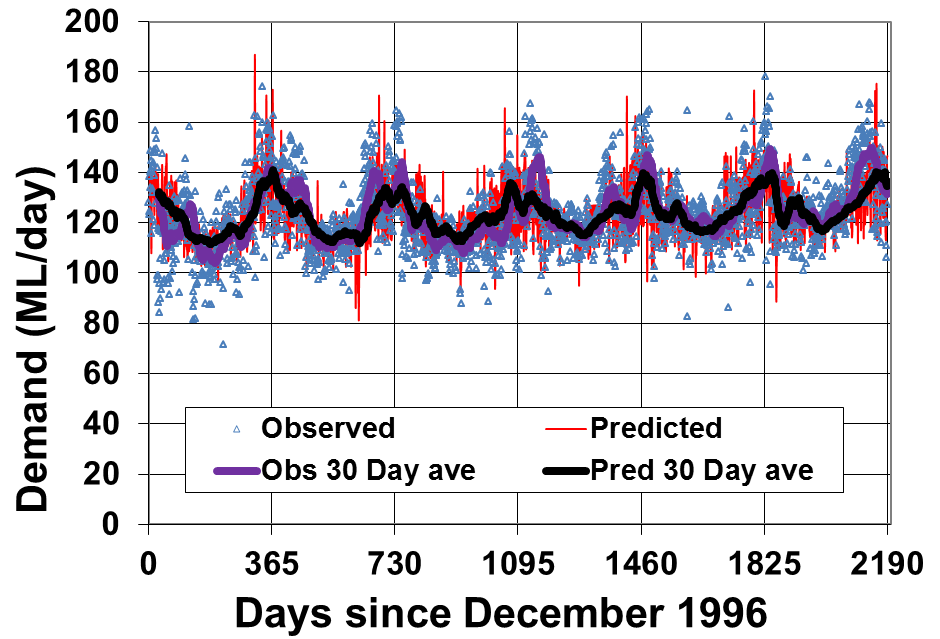
This paper outlines key stormwater management insights from initiation of water cycle management policies across multiple jurisdictions during the last decade. Systems Frameworks for Big Data analysis are presented as powerful processes for framing evidence based policy from the “bottom up” using all available data and integrating spatial and temporal scales of behaviour. It is a profound insight that waterways, land uses and stormwater management are inexorably linked to water cycle and town planning systems and are the foundations of successful water cycle management.

Figtree Place: A Case Study in Water Sensitive Urban Design (WSUD)

Figtree Place: A Case Study in Water Sensitive Urban Design (WSUD)

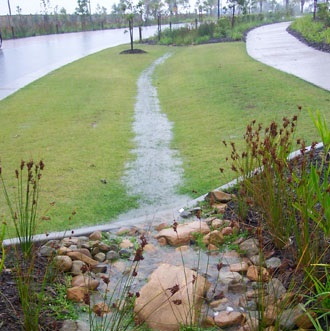
Figtree Place is a water sensitive urban redevelopment consisting of 27 residential units located in Hamilton, an inner suburb of Newcastle, NSW, Australia. The site uses rainwater tanks, infiltration trenches and a central basin where cleansed stormwater enters the unconfined aquifer for water retention and retrieval. A two-year monitoring program for roofwater, raintanks, hot water systems and first flush pits has commenced with samples taken from these sources tested for compliance with the Australian Drinking Water Guidelines. Total water saving of around 60% has been shown to be feasible as well as almost complete storm runoff retention.

Chief Scientist at Office of Living Victoria

Chief Scientist at Office of Living Victoria

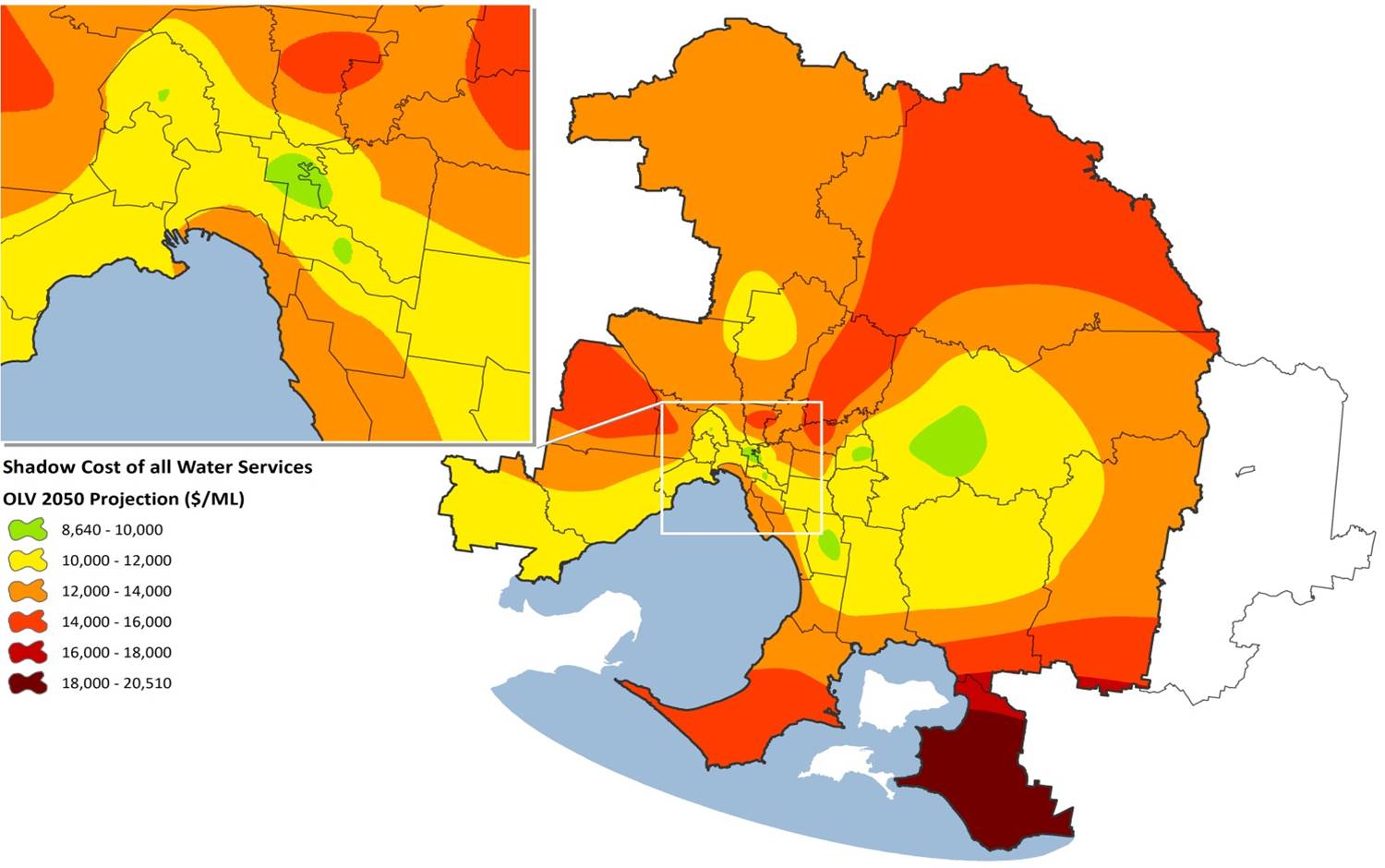
Dr Peter Coombes from Urban Water Cycle Solutions continues his role as the Chief Scientist at the Office of Living Victoria. He is currently working on delivering analysis and a report on the Systems Economics for the Ballarat region for the Living Ballarat project,...

c