Blog

Independent Analysis Observations Confirm Value of Sustainable Buildings

Independent Analysis Observations Confirm Value of Sustainable Buildings

Independent Analysis and Audited Observations Confirm the Value of Sustainable Buildings for Greater Melbourne
Breakfast workshop at 7 am on Friday 28 August at Zinc at Federation Square

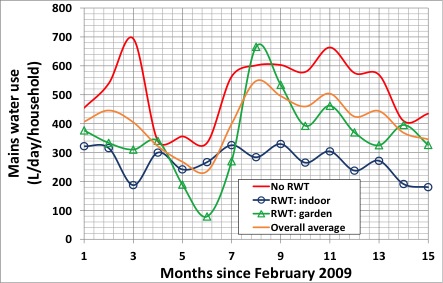
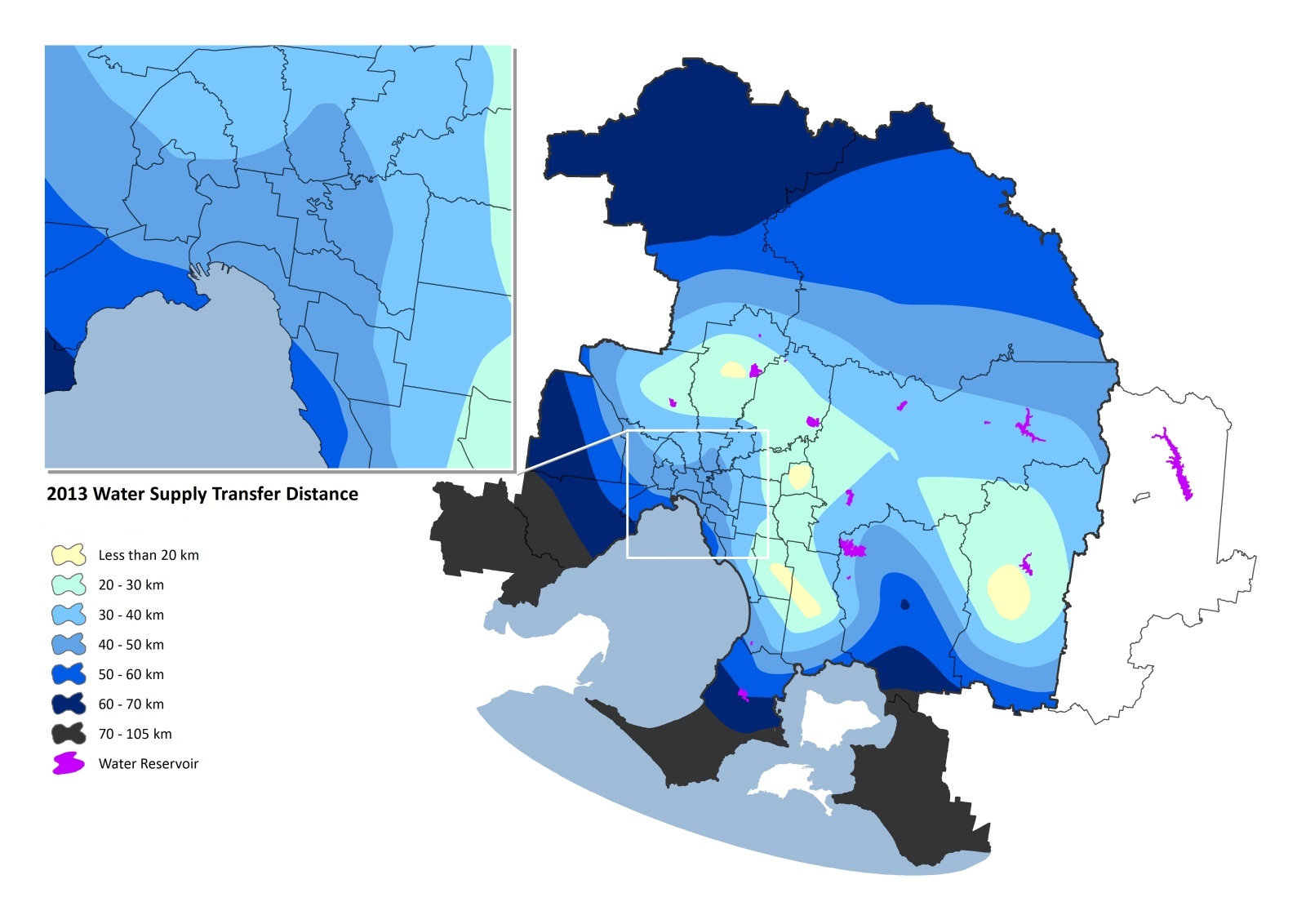
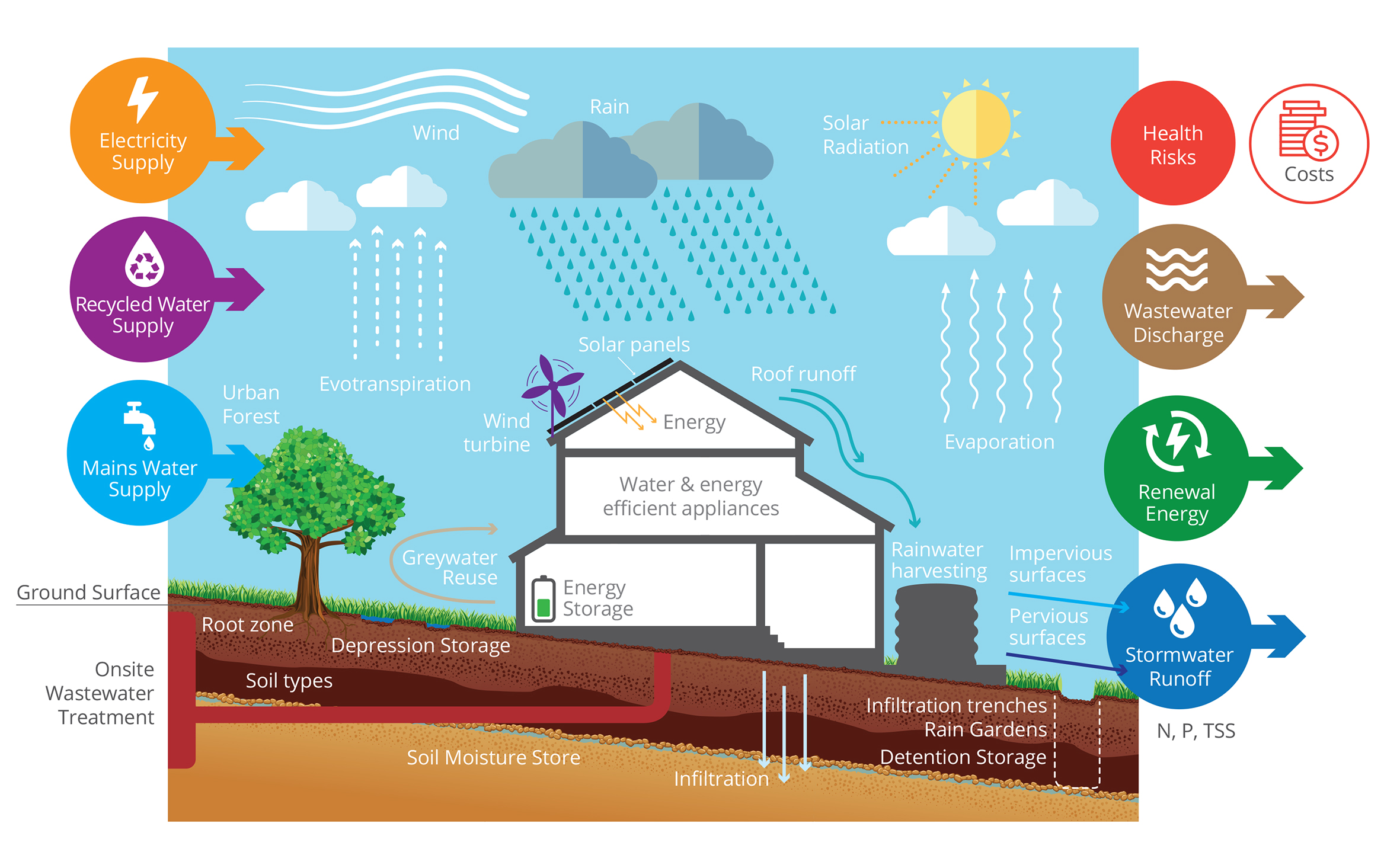
Good news for modern water and energy utilities, the Victoria government and citizens. The existing system for Greater Melbourne is critically dependent on variations in climate and population. Sustainable buildings substantially mitigate the challenges of variable population and climate – including climate change. Importantly, sustainable buildings operate across multiple spatial, temporal and dimensional scales to generate cumulative reductions in water demands, wastewater generation and stormwater runoff, the cost of providing water, wastewater and stormwater services, and the transfer costs.
No health epidemics from rainwater supply in Australia

No health epidemics from rainwater supply in Australia

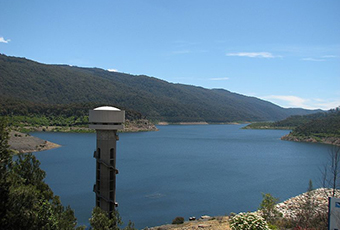
There has been a rush to claim widespread health risks from rainwater supplies in water monopoly funded publications. It is claimed that pathogens and lead are a common problem. However, nobody is dying from rainwater supply in Australia. Rainwater harvesting systems have not generated health epidemics or widespread public health notifications from Chief Medical Officers. However, there is a push to privatise water monopolies throughout Australia – this involves dismissing competing water sources to maximise the perceived value of these businesses owned by the bureaucracy.

Impact of spatial and temporal averages on prediction of water security

Impact of spatial and temporal averages on prediction of water security

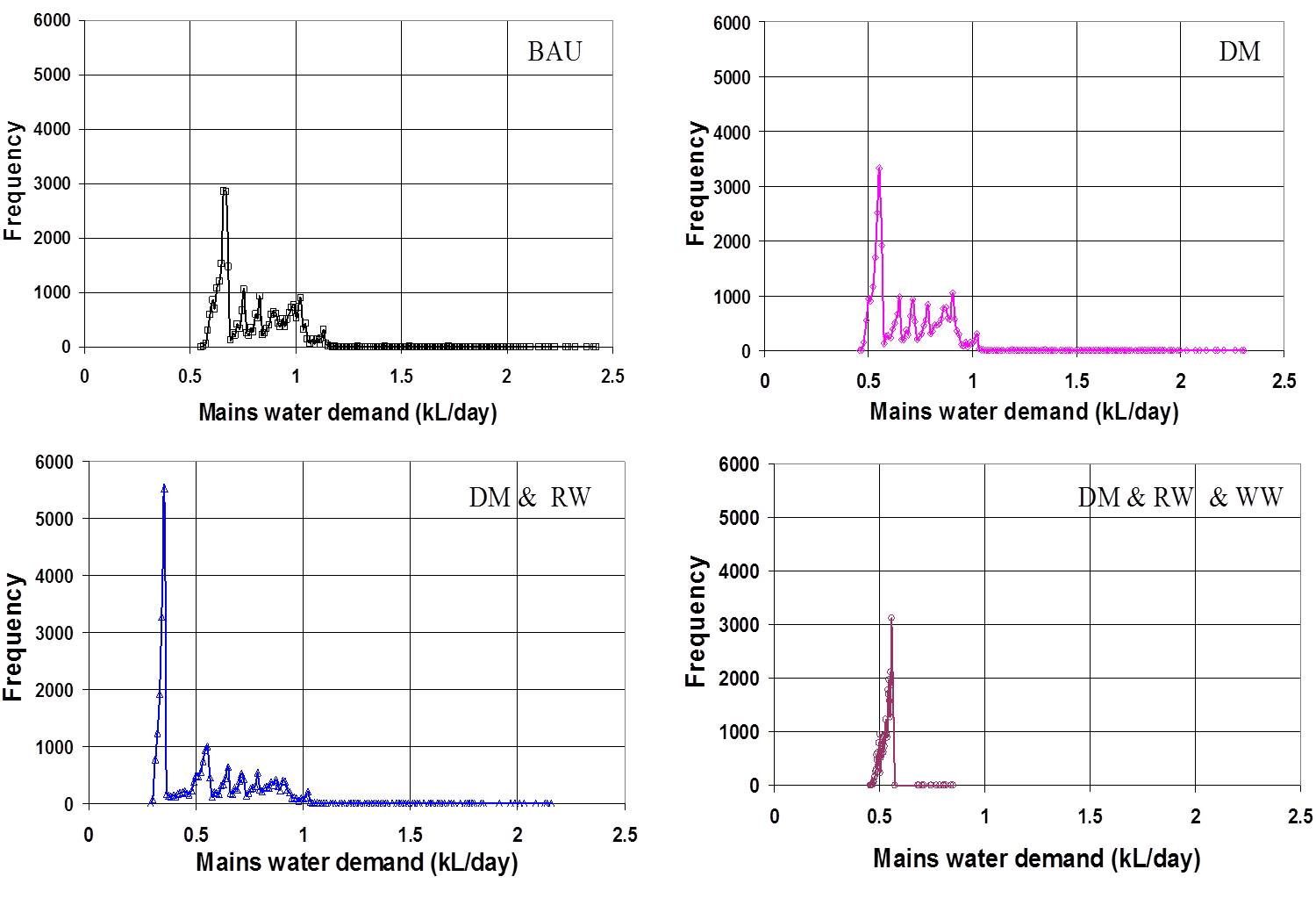
Use of average water demands that replace spatial and temporal detail of cities in analysis of regional water systems generates dramatic reductions in certainty about system behaviour that leads to large uncertainty in understanding of the performance of the system. The use of global averages in simulation of regional water systems is unlikely to describe the spatial and temporal contribution provided by distributed WSUD approaches that generate water resources or reductions in water demands within a metropolis.

Impacts of innovative WSUD intervention strategies

Impacts of innovative WSUD intervention strategies

It is not widely appreciated that innovative Water Sensitive Urban Design (WSUD) intervention strategies can assist in countering the negative effects of deteriorating water infrastructure and evolving urban areas. Deteriorating infrastructure is a problem for the majority of urban centres around Australia and is becoming more important as assets age, populations increase and urban centres expand. These problems generally result in diminishing asset performance and serviceability. This paper provides a discussion of infrastructure deterioration, including some of the specific physical causes of deterioration, and also contrasts current infrastructure practice with innovative WSUD approaches to mitigate the impacts of infrastructure deterioration.

Impact of Local Water and Energy Policies on Government Markets

Impact of Local Water and Energy Policies on Government Markets

Presentation by Dr Peter Coombes for the Rainwater Harvesting Association of Australia at 7 am on Thursday 11 June 2015 at Botanical Restaurant, 152 Mt Coot-tha Road Toowong.
Understanding of water and energy systems that are linked to society by holistic objectives is required for development of policy for sustainable operation of government owned markets. It is vitally important that the analysis and decision making for water and energy strategies for a city allows opportunities for complementary strategies at different spatial and temporal scales. These policies should be cognisant of the dimensions and characteristics of an area. These strategies must respond to objectives from the perspective of the whole of society. The use of systems analysis that includes the entire spectrum of economic or financial processes has revealed a wide range of outcomes that are not currently considered in the evaluation of programs. There is a need to incorporate water and energy targets for buildings to balance statutory monopoly ownership of water and to drive sustainable “free” market behaviour for the benefit of state governments.

Water Policy Challenges for Victoria

Water Policy Challenges for Victoria

This presentation draws on insights from pioneering systems analysis to develop insights for water, environment and planning policies to ensure future liveability and affordability of Australian Cities, involvement in drafting policies and work on the revision of Australian Rainfall and Runoff. Urban settlements subject ongoing temporal and spatial change that is driven by demographic, economic, political, environmental, cultural and social factors. This is a bottom up process. A new paradigm is emerging that is change from complete reliance on centralised options to diverse water management strategies that incorporates linked solutions at many scales. Water management strategies emerging from focus on “lumpy” investments in regional infrastructure. This involves a change in approach from consultants, bureaucracy and authorities with a focus on liveable cities. This involves inclusion of smaller scale options and alternative business models.

Systems Analysis of Integrated Catchment Management in the ACT region

Systems Analysis of Integrated Catchment Management in the ACT region

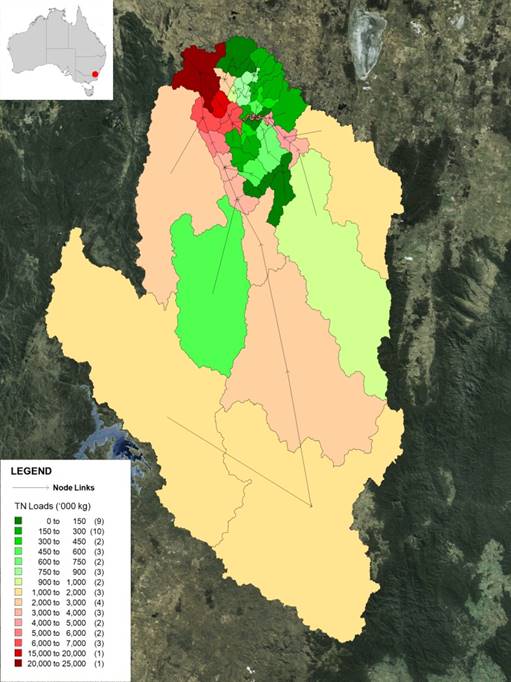
The authors developed a systems framework for analysis of integrated catchment management in the ACT region including downstream impacts on the Murray Darling Basin. This analysis supported the ACT government business case for integrated catchment management. The ACT government successfully submitted the business case to the Australian Federal government and the supporting analysis was positively reviewed as part of the process.

Systems approach to integrated catchment management for the ACT Region

Systems approach to integrated catchment management for the ACT Region

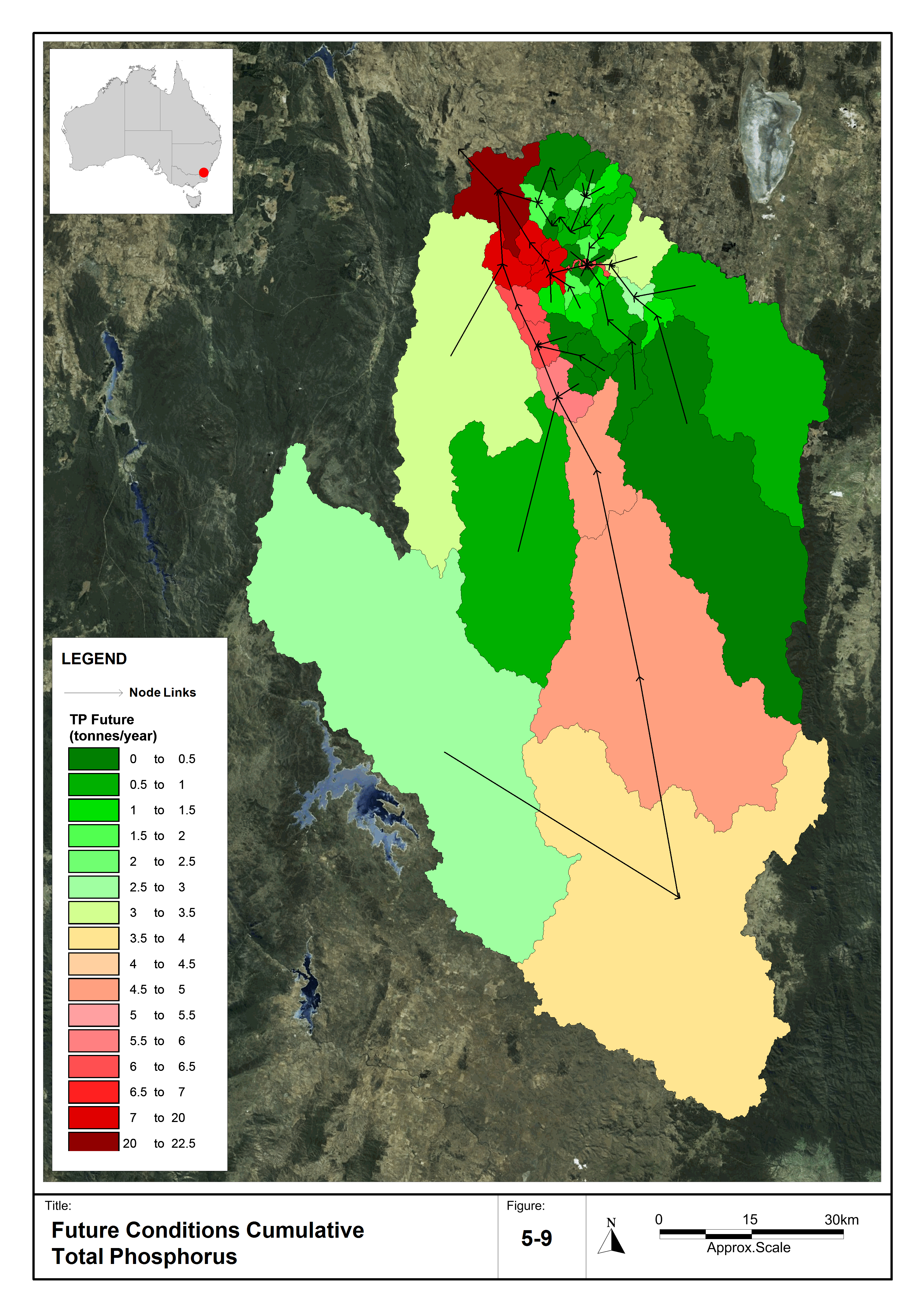
Systems approach to integrated catchment management for the ACT region. Presentation by Dr Peter Coombes for the Hydrological Society at 5:30 pm on 2 June 2015 in the Frank Fenner Building at Australian National University Canberra. The authors developed a systems framework for analysis of integrated catchment management in the ACT and surrounding regions including downstream impacts on the Murray Darling Basin. This analysis supported the ACT government business case for integrated catchment management. The ACT government successfully submitted the business case to the Australian Federal government and the supporting analysis was positively reviewed as part of the process. The systems analysis highlighted the impacts of cumulative loads of pollutants on regional waterways and catchments. A new policy regime was recommended and the ACT government were awarded $85 million by the Australian Federal government. The systems analysis employed in this study has utilised all available system-wide data to better understand the pollutant dynamics characterising the waterways throughout the ACT and surrounds. A continual and ongoing provision of data throughout this investigation, and the review and negotiation periods required continual enhancements of the systems analysis. Nevertheless this process allowed the robust, verified and deeply analysed findings of this study

Overview of Water Policy Challenges for Victoria

Overview of Water Policy Challenges for Victoria

An Overview of Water Policy Challenges for Victoria. Presentation by Dr Peter Coombes at the Association of Consulting Surveyors and the Institution of Surveyors Seminar at 2:30 on Friday 29 May 2015 at Moonee Valley Race Course. This presentation draws on insights from pioneering systems analysis to develop insights for water, environment and planning policies to ensure future liveability and affordability of Australian Cities, involvement in drafting policies and work on the revision of Australian Rainfall and Runoff.

Systems Analysis Underpinning Water Policy

Systems Analysis Underpinning Water Policy

This study employed unique spatially and temporally explicit methods of systems analysis. It was found that alternative water cycle management embedded within existing centralised water cycle networks can offer technically, commercially and environmentally viable strategies.

The analysis was subject to detailed stakeholder and review processes. A hindcasting process was utilised to confirm the accuracy and enhance of the existing Systems Framework. The integrated systems model was used to support an evidence based policy process used by the Victorian Government. The enhanced systems model successfully reproduced the behaviour of regional storages, water demands and wastewater discharges. The spatial robustness of the systems model was verified for generation of water demands and wastewater discharges throughout Greater Melbourne. Costs and greenhouse gas emissions in the systems model were also successfully verified against all available data.

c